Guides → Investing · Updated
Punta Cana investment property guide (2026)
What Punta Cana property actually returns: a measured 7.2% gross long-let yield, the full cost stack, and the one number nobody in this market can source.
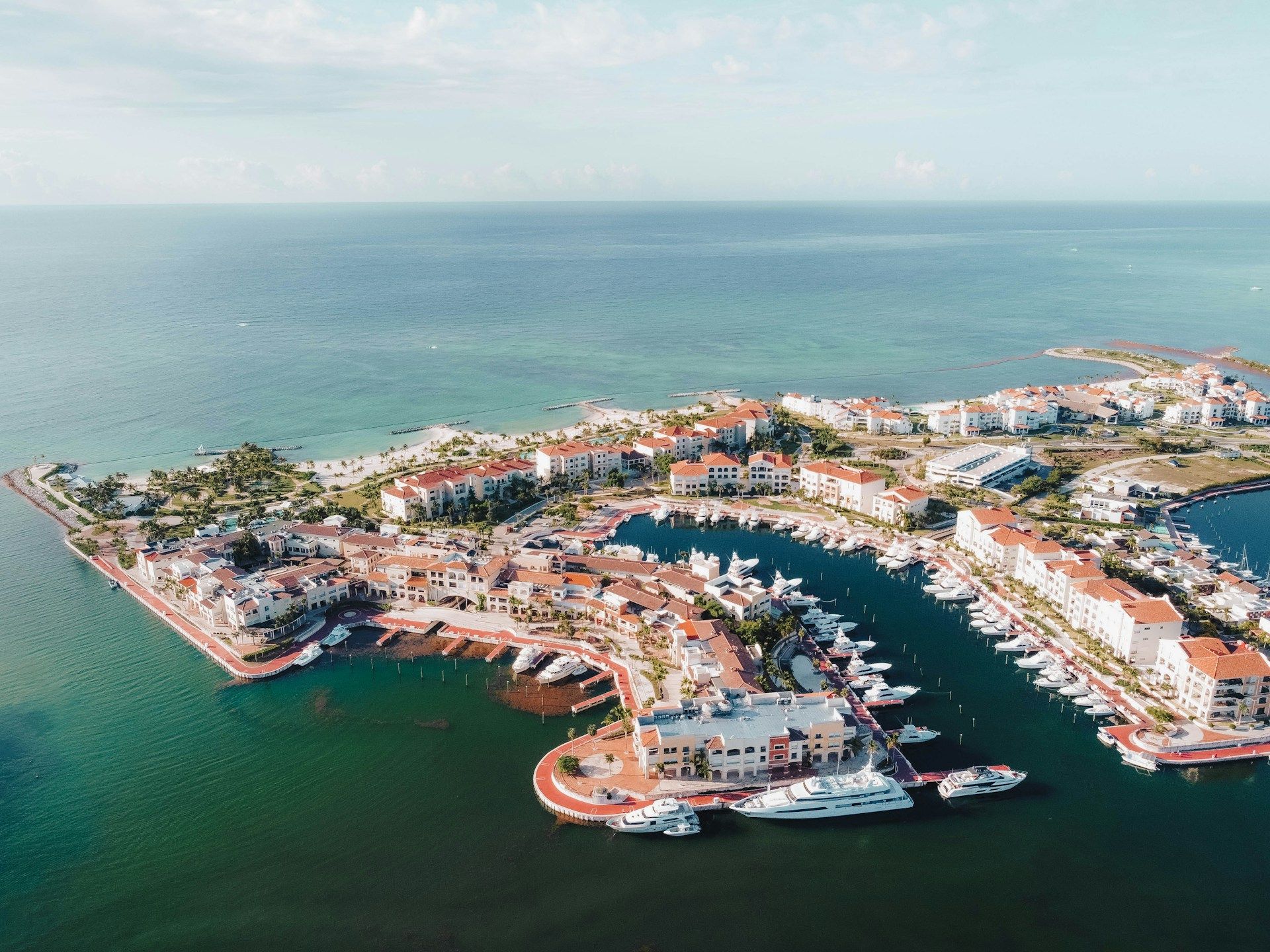
Every broker deck in Punta Cana promises “8–12% net returns.” Here is what we can measure, and — more usefully — what nobody in this market can currently measure at all.
What we measured
From 278 long-let adverts collected across the corridor in Q3 2026, divided by asking prices for comparable units: a gross long-let yield of 7.2%, ranging from 6.5% in Cana Bay to 8.4% in Vista Cana. Checked a second way, against the 52 properties that advertise a sale price and a rent on the same page, it comes out at 7.17% (bootstrap 90% CI: 6.87–7.66%). Global Property Guide independently reports 6.48% for Punta Cana/Bávaro in September 2025 and 7.98% in Q1 2026.
Gross is not net. Expect 1.5 to 2 points to disappear into the cost stack below, before vacancy. A realistic net long-let expectation for this corridor is 5 to 6.5%.
The real cost stack
| Line | What to budget |
|---|---|
| Management, long let | 8–15% of rent |
| Management, short let | 15–20% of gross (Bávaro runs 15–18%) |
| HOA | $1.01/m²/month in Verón to $2.62 in Cap Cana — we measure this per development |
| IPI property tax | 1% of assessed value above RD$10,695,494 (≈US$181,000) for 2026 |
| Insurance incl. hurricane rider | $1,000–$2,000/year for a 2BR |
| Utilities + maintenance reserve | $2,500–$4,800/year for a 2BR |
Two of these deserve more attention than they get.
HOA is not a flat number. The 2.5x spread between the cheapest and priciest development in this corridor is worth about a point of yield on a typical condo, and it is fixed on the day you buy. We read the stated fee off the listing where there is one and fall back to a measured per-development rate where there is not.
CONFOTUR changes the tax line entirely. Approved tourism developments are exempt from the 3% transfer tax and from IPI for up to 15 years. If a listing mentions CONFOTUR, confirm the approval covers your specific unit — it is worth more than any negotiation you will win on price.
The number nobody can source
Short-let (Airbnb) revenue is nightly rate × occupancy × 365. The nightly rate is easy. The occupancy is not, and this is where most Punta Cana underwriting quietly falls apart.
Published trailing figures for this market do not agree and do not share a denominator:
| Source | Occupancy | Basis |
|---|---|---|
| AirROI | 34.2% | 2,197 listings, TTM to Jul 2026 |
| AirDNA / Airbtics | 48–52% | H1 2026 |
| Market median vs. top decile | 27% vs. 62% | H1 2026 |
Worse, AirDNA-style occupancy counts booked nights against available nights, excluding the days an owner blocked the calendar. Multiply that by a nightly rate across 365 days and you overstate revenue by 15–25% — silently, with no error anywhere to catch it.
And ignore the tourism headlines: the Central Bank and MITUR report Punta Cana occupancy above 88%. Those are all-inclusive resorts under tour-operator contract. A condo on Airbnb runs at roughly a third of that.
We have not sourced a zone-level occupancy figure, so every short-let yield on this site is marked low confidence and lists its unsourced inputs on the listing page. We would rather show you a visible gap than a confident number we cannot defend.
What this means for your underwriting
The honest framing is a comparison, not a single number. A measured 7.2% gross long-let yield is the floor you can verify today with a lease. Short-letting has to beat that after furniture, higher management, higher turnover costs and vacancy — which at 34% occupancy it plainly does not, and at 55%+ it comfortably does.
So the question that decides your purchase is not “what yield does this listing show.” It is “what occupancy will this specific unit actually run, and on which denominator.” Anyone who answers that without naming the denominator is guessing.
Preconstruction: discount or risk premium?
Preconstruction runs below delivered comps, but you carry delivery risk, title-delivery lag (commonly 6–12 months post-handover), and zero rental history. We do not yet track developer delivery records, so we cannot tell you which developers run late — treat any such claim, from us or anyone, as unevidenced until someone shows you the underlying completions. Never accept a payment schedule that outruns construction milestones.
The bottom line
Punta Cana is a legitimate 5–6.5% net long-let market with USD income, no foreign-ownership restrictions and a deep tourism base. The short-let upside on top is real but unquantified, and it is the part of the case you should treat as speculative until you have occupancy data for your own building.
Every listing on Caribe Scout shows its full cost stack, its comp-set size, its data date, and which of its inputs are still estimates. Research, not investment advice.